
Carbon Fiber CNC Machining: Define the Material, Geometry and Acceptance Criteria
Carbon fiber CNC machining is not just a cutting operation. It is a supplier decision built around a defined composite part: laminate construction, datum strategy, feature geometry, support, edge condition and the evidence you expect at acceptance.
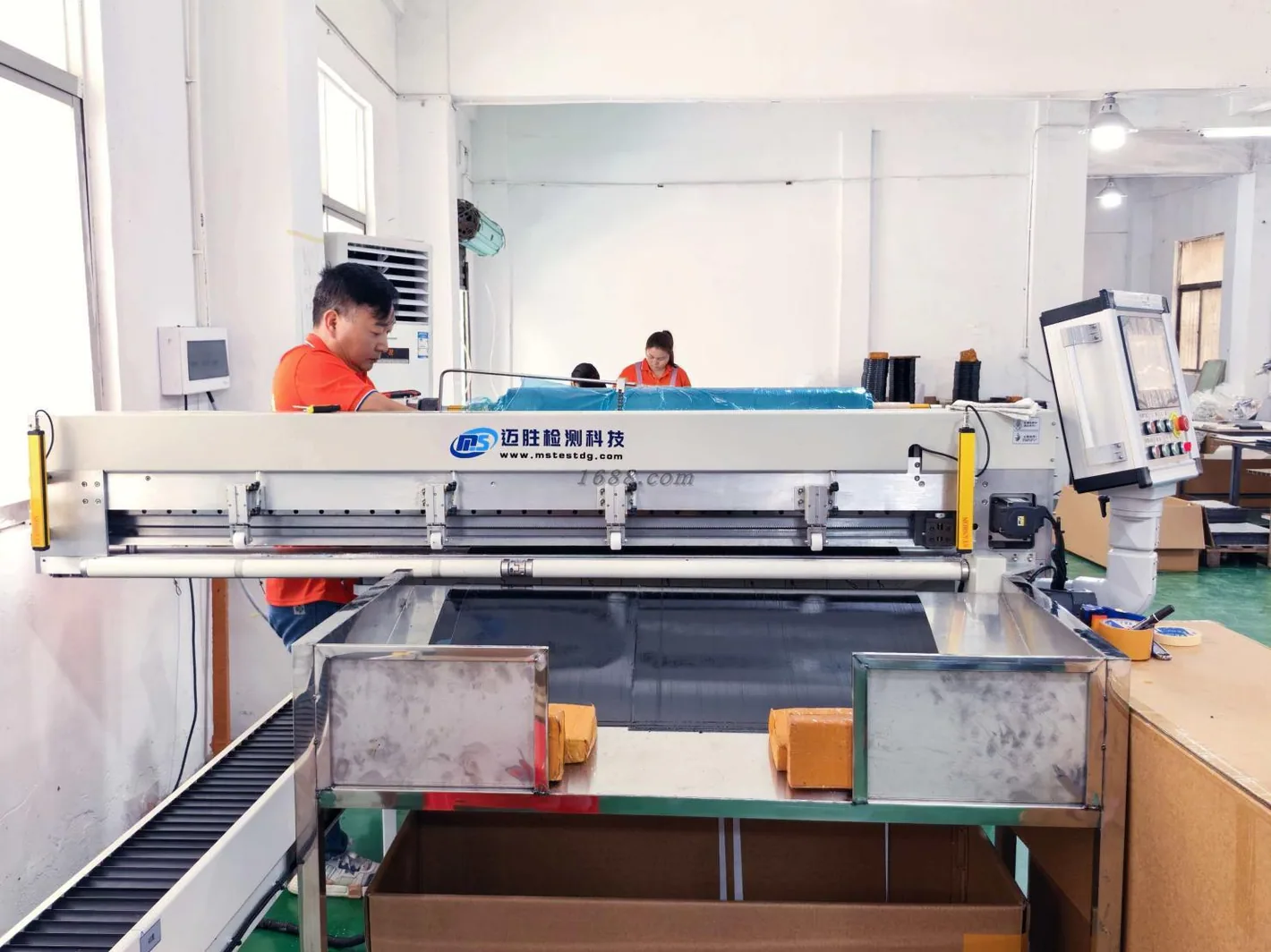
Machining feasibility should be reviewed against the actual drawing and laminate—not inferred from a generic process label.
Choose the machining route from the part features
Start with what the part must do and how it will be inspected. The same cured laminate can demand different process planning when holes, countersinks, pockets, two-sided relationships or bonding edges change.
Flat outside profile with through-cut openings
Review whether a profile-focused cutting route is sufficient or whether machining is needed for edge, position or secondary-feature requirements.
2D profile or drawing, laminate thickness, critical edge zones, quantity and acceptance notes.
Hole pattern and countersunk fasteners
Treat hole geometry, countersink form and positional relationships as controlled features rather than assuming a generic cut edge is adequate.
Hole sizes, countersink or counterbore details, datum references, fastener/interface information and inspection requirement.
Pocket, recess, step or chamfer
Confirm that the laminate, remaining section and support strategy are compatible with the requested material removal.
Section views or 3D model, depth requirements, laminate definition and any critical remaining-wall or edge condition.
Two-sided features or tight positional relationships
Fixture strategy, datum transfer and inspection become part of the manufacturing decision.
Datum scheme, positional controls, side-to-side relationships, inspection method and mating-part context.
Finished edge intended for bonding or exposed use
Define the edge condition and downstream function instead of using a subjective request such as “clean edge.”
Bonding or cosmetic zone, prohibited damage, finishing requirement and how acceptance will be judged.
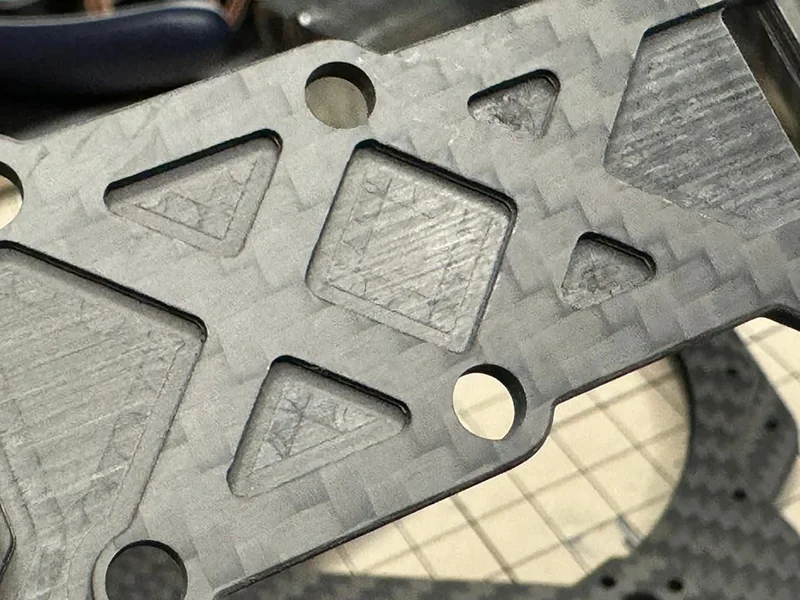
Material, datums and support determine feasibility
A drawing becomes more useful when it explains the composite stack and the functional relationships behind the dimensions. The supplier needs enough context to decide how the part can be supported and which features deserve specific process or inspection controls.
Laminate definition
Identify the supplied material form, thickness and any known reinforcement or surface requirements relevant to the part.
Datums and interfaces
Make critical relationships visible—especially hole patterns, locating features, mating surfaces and features referenced from opposite faces.
Support and workholding context
Thin sections, unsupported edges and secondary operations can change how a part must be fixtured. Share the functional constraint rather than prescribing an unverified machine setup.
CNC machining versus a flat-profile alternative
The label “CNC” is not automatically the best answer. A profile-only part and a multi-feature precision part place different demands on the manufacturing route.
When CNC machining becomes relevant
Features such as pockets, steps, countersinks, controlled chamfers, two-sided relationships or datum-driven secondary operations can justify a machining-focused evaluation.
When a profile-focused route may be enough
For a simple flat outline with through-cut geometry, an alternative profile-cutting method may be evaluated when edge condition, tolerances and downstream use allow it.
The applicable process must be confirmed for the actual drawing and material. These examples support supplier evaluation; they are not a declaration that CFRPWorks possesses every machine or operation described.
What can go wrong at edges and holes?
Composite machining acceptance is stronger when the drawing separates geometry from damage criteria. A dimension can be within range while the local edge condition is still unacceptable for the intended interface.
Hole geometry
State size, location and any countersink/counterbore requirements together with the datum reference that controls the feature.
Edge geometry
Define chamfers, radii, breakout-sensitive zones or downstream bonding/cosmetic expectations where they matter.
Damage limits
If fraying, breakout, delamination or exposed-fiber condition matters, describe the acceptable condition or reference the controlled requirement used by your project.
Inspection method
Specify what must be measured or recorded, which features are critical and whether evidence is required with the shipment.
RFQ inputs that change the manufacturing decision
A usable RFQ helps the supplier separate assumptions from controlled requirements. Send the inputs that affect process choice, fixture planning, inspection and commercial scope.
Part definition
Controlled drawing and, when useful, the 3D model or flat profile file. Identify revision and units.
Material
Material form, laminate or sheet definition, thickness, surface condition and any customer-supplied material constraints.
Geometry
Critical dimensions, hole/countersink details, pockets, steps, chamfers, edge requirements and datum relationships.
Acceptance
Critical characteristics, damage limits, inspection method, record requirements and any approved project standard.
Quantity
Prototype quantity, expected production quantity or lot structure so the manufacturing route is reviewed in the correct context.
Interfaces
Mating parts, fasteners, bonded zones, cosmetic faces and downstream operations that affect the finished feature.
Project controls
Revision control, packaging/identification needs and any evidence that must be confirmed before order placement.
What to verify before treating a quote as a manufacturing commitment
A quote should become a controlled manufacturing scope only after the material, drawing revision, included operations and acceptance evidence are clear.
Scope: Which part revision, material and operations are actually included?
Exceptions: Which drawing notes, features or acceptance criteria require clarification or an agreed exception?
Evidence: What inspection or documentation will accompany the parts, if required by the project?
Commercial basis: Are quantity, packaging, supplied material and other project controls aligned with the quoted scope?
CFRPWorks should confirm the applicable process, available evidence and quotation terms for the specific request. This page does not substantiate a particular in-house machine inventory, universal tolerance, certification, capacity or lead time.
Carbon fiber CNC machining questions
What should I send for a CNC machining review?
Send the controlled drawing, relevant CAD/profile data, material definition, quantity, critical features and acceptance requirements. Add mating or downstream-use context when it affects the machined feature.
Can cured carbon fiber sheet be machined?
Cured composite laminate can be machined, but feasibility and method depend on the laminate, thickness, geometry, workholding and required edge/feature condition. Evaluate the actual part rather than relying on a generic material label.
Is CNC always preferable to waterjet or another profile-cutting method?
No. Process selection depends on the feature set and acceptance criteria. A simple flat profile may justify a different route than a part with pockets, countersinks, controlled chamfers or datum-driven secondary features.
How should I specify a “clean” machined edge?
Replace the subjective word with a functional requirement: identify the edge zone, geometric requirement, prohibited damage, finish/bonding need and inspection method.
Is a DXF alone enough?
A profile file can describe shape, but it usually does not communicate laminate definition, thickness, datums, critical feature relationships, damage acceptance, revision control or inspection needs. Pair it with a controlled drawing or equivalent requirement set.
What inspection evidence can be requested?
Define the evidence your project needs before quotation—such as dimensional records for specified characteristics or other agreed documentation. Availability and scope must be confirmed for the specific request.
Send Requirements / Request Quote
Prepare the controlled drawing, material definition, quantity, critical geometry and acceptance criteria first. That package lets the manufacturing route and quotation scope be reviewed without turning assumptions into requirements.
Review Custom ManufacturingA project-specific quotation is confirmed only after the drawing, material, quantity and acceptance scope are reviewed.