
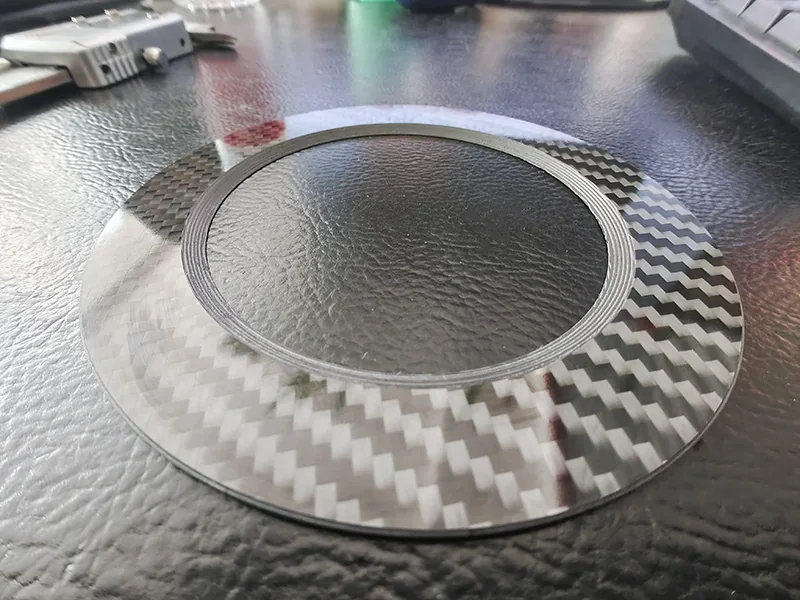
What is carbon fiber prototyping?
Creating an early physical article to answer specific engineering or sourcing questions before recurring production. The required realism depends on the decision.
A useful carbon fiber prototype is not simply a smaller production order. It is a controlled experiment for one question: fit, interface, appearance, manufacturing learning, or structural evidence.
CFRPWorks presents this page as an initial specification guide for carbon fiber prototyping enquiries. It does not claim a fixed rapid-prototyping process, lead time, equipment set, or production capability until those details are confirmed for the drawing.
Custom Manufacturing OverviewBefore choosing material or process, define the uncertainty you are trying to reduce. Different prototype questions require different levels of physical realism.
Use when the question is envelope, hole pattern, fastener access, mating surfaces, assembly sequence, or handling. Geometry may matter more than production-equivalent laminate.
Use when visible weave, surface class, edge treatment, feel, balance, or access must be judged. A cosmetic sample still does not prove structural performance.
Use when laminate architecture, inserts, joints, cure response, machining, or test evidence must be representative enough to support a later engineering decision.
A fast mock-up and a production-representative carbon-fiber article can both be valid prototypes, but they answer different questions. Define the test question before specifying the route.
Fit check
Geometry, interfaces, access
Annotated fit review and revision notes
Surface / appearance
Face material, weave direction, edge or finish zone
Approved visual sample and defect boundary
Assembly / joint
Inserts, bonding interfaces, fastener access, datums
Assembly observations and interface changes
Structural learning
Representative load path and material construction where needed
Defined test method and result tied to revision
Manufacturing learning
Critical forming, machining, handling, or tooling features
Process observations and DFM changes
Pre-production check
Drawing revision, material intent, interfaces, acceptance plan
Agreed delta list before recurring supply
A carbon-colored 3D print can be useful for geometry, but it should not be treated as a laminate or structural surrogate unless the engineering question specifically allows that substitution.
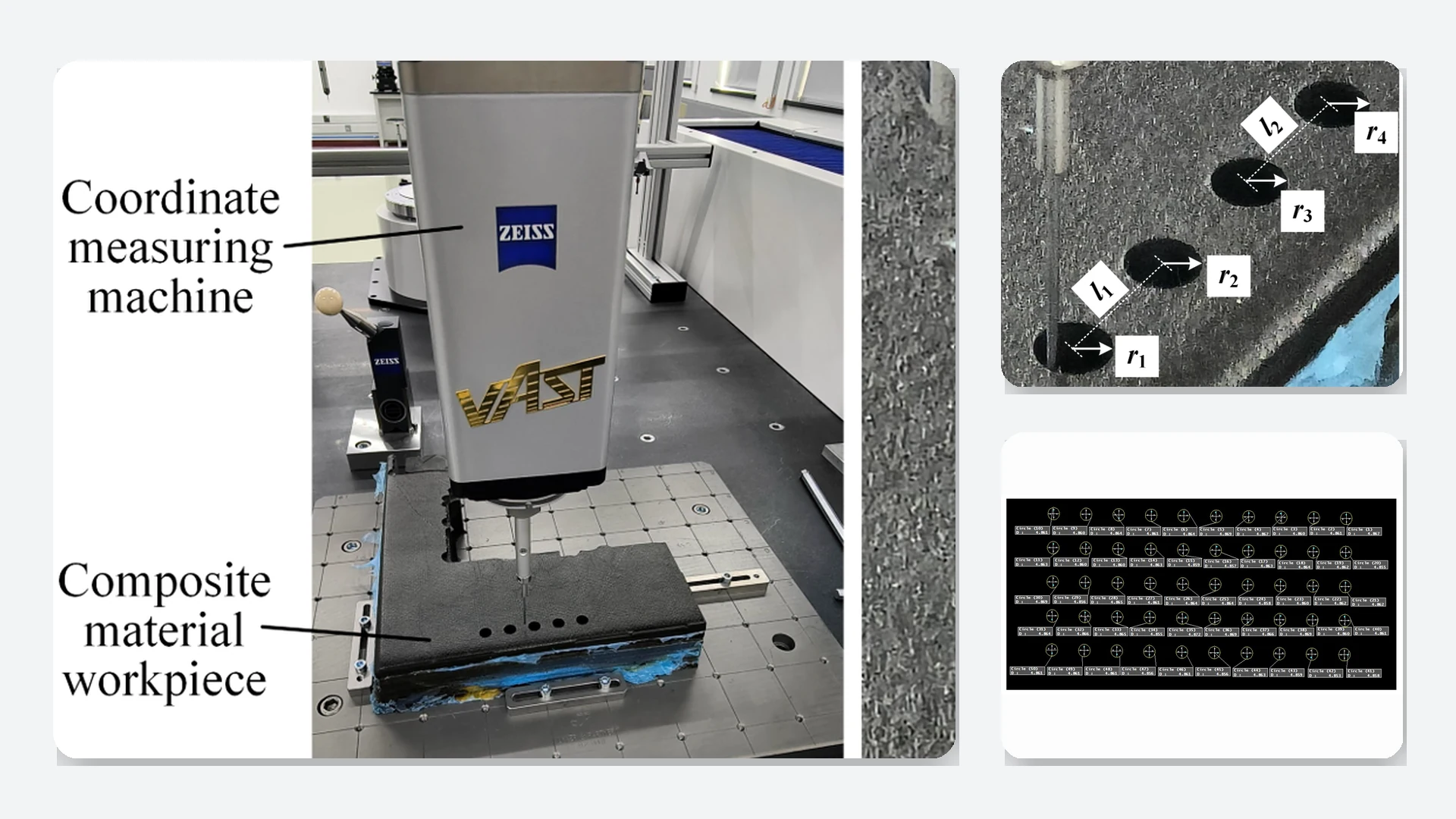
Factory-supplied cutting workstation context. The photo supports manufacturing context only and does not establish a prototype process, machine capability, tolerance, speed, or result.
Prototype cost and learning improve when the article is only as realistic as the question demands. Freeze what matters, allow everything else to remain provisional.
Write one sentence that defines success, such as verify fit at three interfaces or compare two edge-finish options. Avoid a prototype that tries to answer every risk at once.
Tie files, material assumptions, inserts, fixtures and acceptance notes to a clear revision so feedback can be translated into the next drawing without ambiguity.
Mark which properties are representative and which are not. Geometry-only, cosmetic, machining, assembly and structural prototypes should not be treated as equivalent evidence.
A prototype is useful when the acceptance method is defined before inspection starts. Evidence should match the question and stay traceable to the revision.
Which question must the prototype answer?
Which dimensions, interfaces, or appearance zones are controlled?
Which material or process features must be representative, and which may be simplified?
What outcome means pass, revise, or stop?
Who approves the result and releases the next revision?
CFRPWorks has not published independent prototype lead-time, tolerance, test-result, or equipment claims on this page. Project-specific commitments require written confirmation against the submitted requirements.
You do not need a finished production specification to start. You do need enough context to separate fixed requirements from open engineering decisions.
Current model or drawing, revision, and key interfaces.
Fit, appearance, assembly, process learning, or structural evidence.
Known fiber, resin, laminate requirement or performance target, plus what is still open.
Number of prototype pieces and variants or iterations expected.
Dimensions, datums, inserts, bond interfaces, surface and edge zones.
Fit review, measurement, visual sample, test method, and records needed.
Who can approve deviations, substitutions, geometry changes, or process changes.
A prototype closes uncertainty only when its learning is translated into controlled changes for the next revision or production plan.
Geometry: record approved interface, datum, hole, and access changes.
Material + construction: distinguish assumed, representative, and verified material or laminate details.
Process + tooling: record any process-dependent geometry, fixture, tooling, machining, bonding, or handling changes.
Acceptance: carry forward only evidence that is valid for the next part and define what still requires qualification.
Creating an early physical article to answer specific engineering or sourcing questions before recurring production. The required realism depends on the decision.
No. It may be useful for geometry or handling, but material architecture and behavior can be very different. Treat it as a surrogate only for questions it can actually answer.
Often yes for an initial review, but useful scope also needs the prototype question, key interfaces, acceptance method, material intent, quantity, and change authority.
Only when the decision requires production-representative process behavior. For fit, appearance, or interface learning, a simpler experiment may be sufficient.
There is no universal number. Iteration count depends on unresolved risks, change magnitude, acceptance results, and how much evidence is required before the next gate.
At minimum, the drawing and revision, controlled material and construction intent, interfaces, process-dependent changes, acceptance criteria, and the specific evidence required for recurring supply.
Send the current CAD or drawing, the question the prototype must answer, key interfaces, material intent, target quantity, and the evidence you need from the prototype. Separate fixed requirements from open decisions.
Prototype route, material availability, tooling, tolerance, test method, pricing, and delivery timing require explicit written confirmation before commitment.
Fill out the form below, and we will be in touch shortly.