
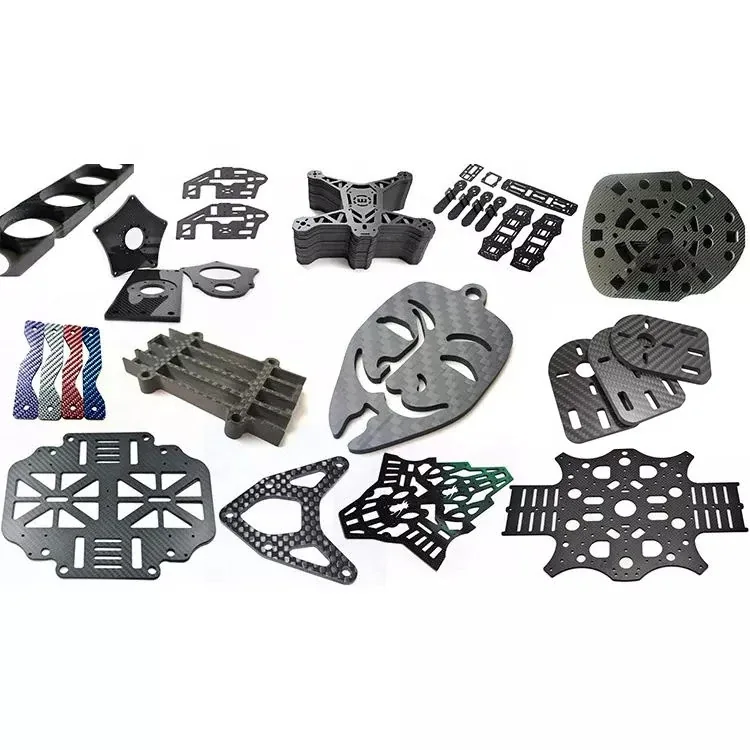
Does OEM mean the supplier will design my part?
Not necessarily. In a build-to-print arrangement the buyer may retain design responsibility. Any design assistance, modification rights or liability allocation needs agreement for the programme.
A carbon fiber OEM or ODM enquiry is easier to evaluate when design authority, supplied scope, tooling, sample approval and change control are explicit before pricing.
CFRPWorks uses this page to structure OEM and ODM enquiries. The OEM or ODM label alone does not establish design-service scope, tooling ownership, certification, capacity, MOQ, lead time or responsibility for product performance.
Custom Manufacturing OverviewA useful programme separates what the buyer already controls from decisions that still require development, approval or commercial agreement.
The buyer supplies the controlled drawing, model, material or acceptance requirements that define the part revision. Changes require the agreed approval path.
The buyer may provide functional targets, references or an unfinished model. The parties need to define who may develop, change and approve each requirement.
Record who controls geometry, material, tooling, samples and release. A label such as OEM or ODM does not allocate those responsibilities by itself.
The programme model should make design authority, tooling, approval and commercial assumptions visible before the quotation becomes the working specification.
Initial technical baseline
Buyer supplies drawing, model and acceptance criteria
Buyer may supply functional targets, references or unfinished geometry
Design authority
Customer-defined requirements control the approved revision
Parties define who may develop, change and approve requirements
Material choices
Fixed material and approved substitutions are recorded
Candidate material or process choices may require evaluation and approval
Tooling
Existing tools or new tooling scope are defined
Funding, ownership, access and later use require agreement
Approval
Sample is checked against a defined baseline
Prototype stages may also test design choices and feasibility
Commercial basis
Quote against released scope and quality deliverables
Separate development, iterations, tools, samples and production assumptions
One programme can combine these models. Identify the approving party for every boundary rather than assuming the OEM or ODM label settles it.
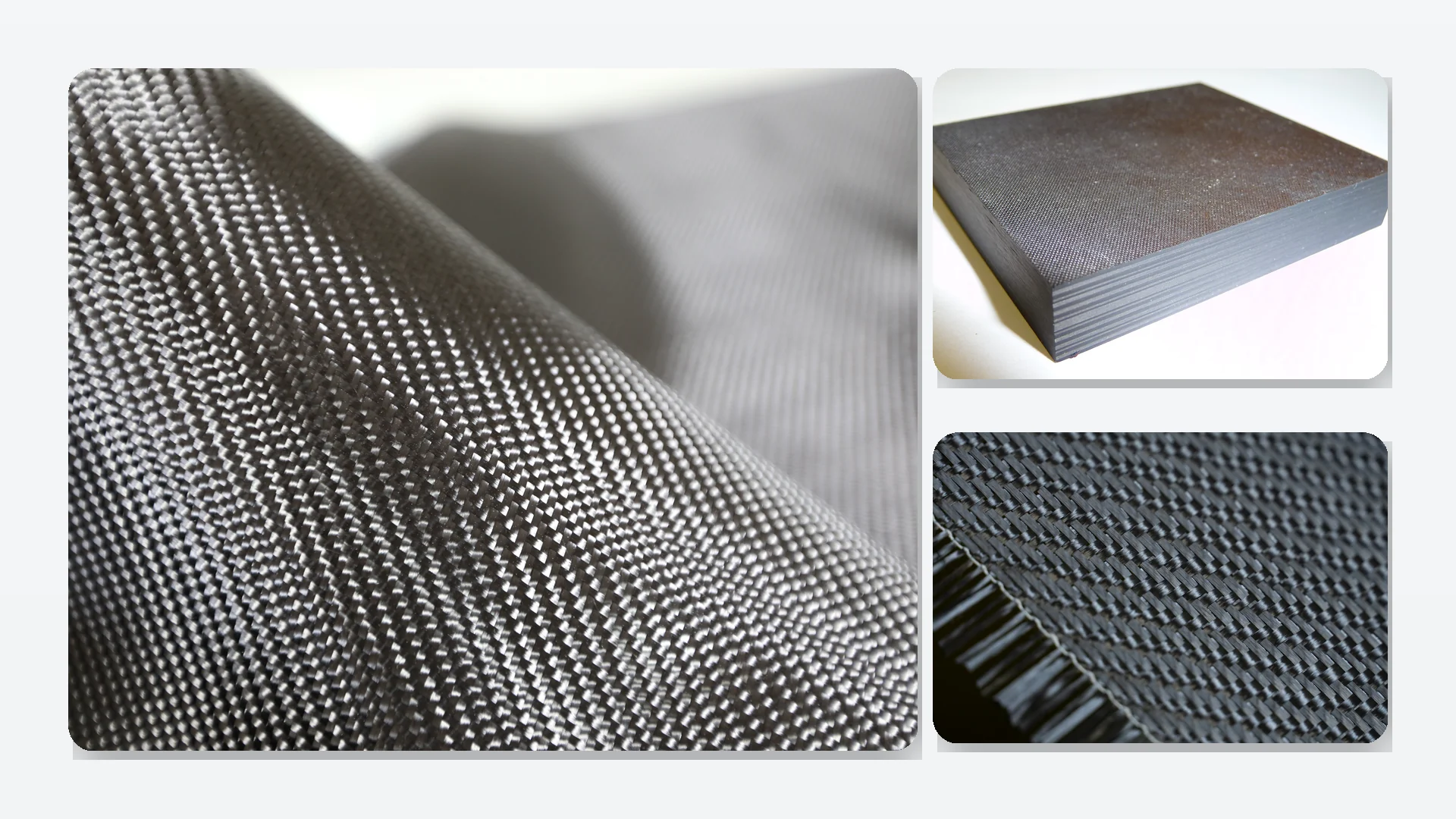
Representative carbon-fiber sheet material shown as a product-development input. Material form, construction and approval requirements remain programme-specific.
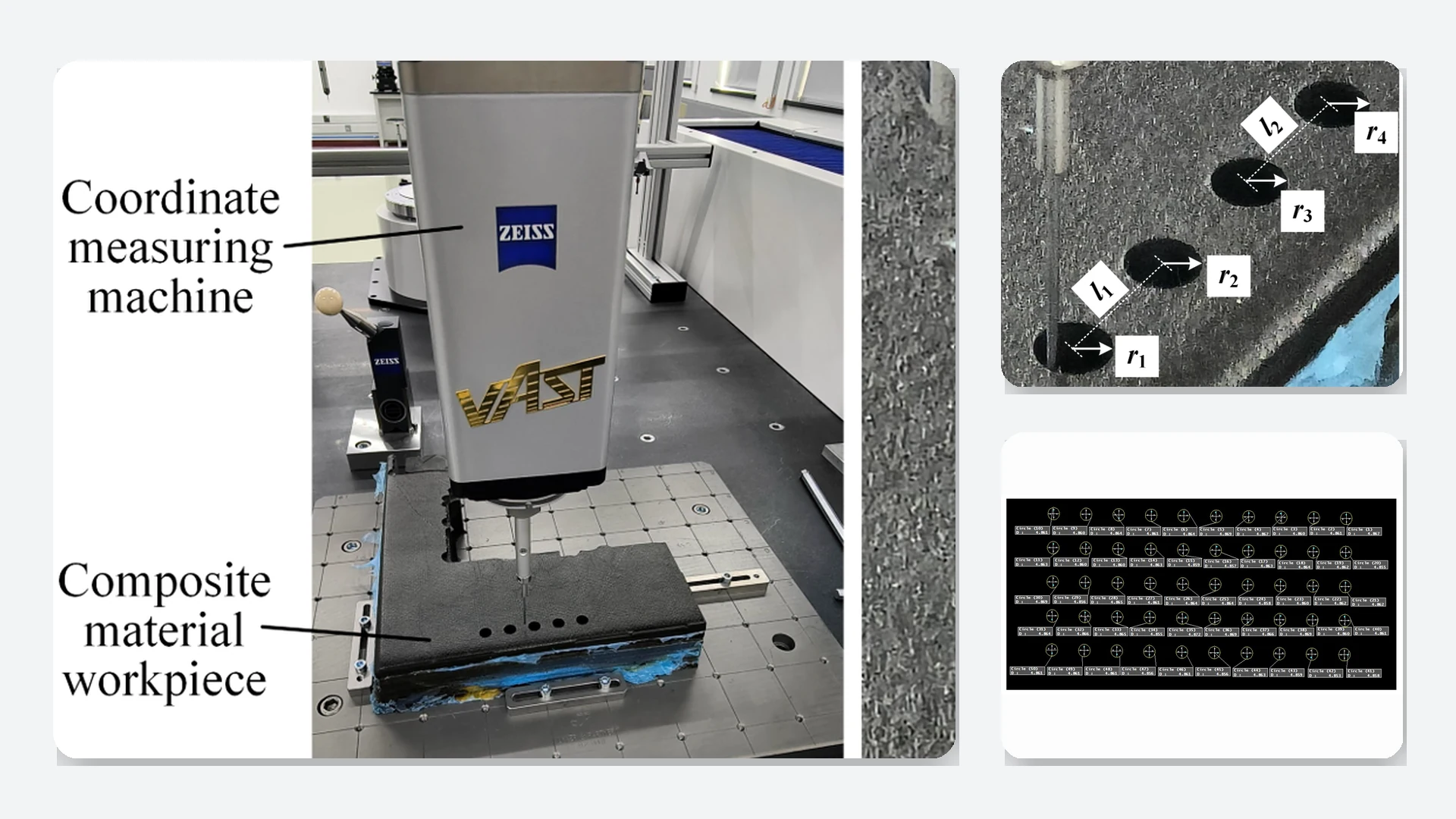
Illustrative first-article inspection workflow for product-development context. The specific inspection plan, tolerance and approval record remain project-defined.
Tooling and design records can remain commercially important after the first sample. Agree the boundaries before a tool or drawing becomes the de facto programme baseline.
Record who funds, owns, stores, maintains, modifies and may use a mold, fixture or inspection aid, including what happens if production moves or stops.
Separate the buyer's existing CAD and requirements from independently developed process knowledge or pre-existing design assets.
If the project needs exclusivity, design-file return, reuse restrictions or nondisclosure terms, put those obligations in writing rather than assuming they follow from an RFQ.
A visually acceptable prototype may confirm shape or appearance without proving production material behavior, insert strength or repeated-load performance. Match evidence to the purpose of each stage.
Requirements review: which dimensions, functions and design decisions are fixed?
Feasibility and quotation: which operations, tools or outside steps still require confirmation?
First sample: is it a visual mock-up, fit sample or production-representative article?
Approval: who can authorize a change to geometry, material, finish or tooling?
Repeat orders: what remains controlled from one production lot to another?
Documentation: which site-, standard- or part-specific evidence is required?
Do not treat general supplier badges or unrelated examples as proof that a particular part has been qualified. Project-specific quality evidence must be confirmed for the actual legal entity, site and scope.
Do not invent data that is not yet known. Mark open decisions clearly, identify who resolves them, and separate development assumptions from released production requirements.
Part name, intended use, host assembly, environment and critical function.
Buyer-issued build package, open concept, or shared design review, plus the authorized approver.
Available 2D/3D references, dimensions, interfaces, material callouts and change-control requirements.
Fixed material, construction and appearance requirements versus choices open to evaluation.
Critical inspection features, sample acceptance and requested test or traceability records.
Existing tools, proposed new tools, ownership, reuse and confidentiality restrictions.
Evaluation samples, launch quantity, separately labeled forecast, destination, packing needs and any development or tooling charges that need separate treatment.
A clear proposal should distinguish what is already approved from what still requires engineering, legal, quality or commercial confirmation.
Role boundary: state who owns design decisions and which support is actually being quoted.
Material + process: distinguish fixed requirements from options that remain subject to approval.
Sample + production: separate concept, prototype, pilot and recurring-production evidence.
Commercial terms: confirm tooling ownership, documentation, MOQ, price, timing and service availability in writing for the specific programme.
Not necessarily. In a build-to-print arrangement the buyer may retain design responsibility. Any design assistance, modification rights or liability allocation needs agreement for the programme.
ODM may include a product-development role, but concept work, engineering ownership, tooling, validation and IP rights depend on the agreed scope.
Only within the acceptance scope supported by the sample. A fit or cosmetic sample may not prove structural performance, material equivalence or process repeatability.
Ownership, payment, storage, access, maintenance, authorized use, rework and return or disposal need written agreement.
No. State the applicable requirements and request current, site- and scope-specific evidence before relying on a certification or test plan.
No universal amount or timing follows from an OEM or ODM label. Those items require a project-specific review and written commercial confirmation.
Describe whether you need production to a released specification or a project requiring design decisions. Include the controlled revision, intended sample and production quantities, material and inspection questions, and any tooling or IP terms that need discussion.
Actual service availability, tooling, MOQ, pricing, lead time, quality evidence and commercial terms require explicit written confirmation before commitment.
Fill out the form below, and we will be in touch shortly.